Understanding the Modern Establishment
The concept of a modern establishment signifies much more than just a physical space; it embodies a paradigm shift in how we perceive public and private amenities. As urban environments evolve rapidly in response to technological advancements and changing social dynamics, modern establishments emerge as crucial players in shaping our cities, communities, and lifestyles.
Defining Characteristics
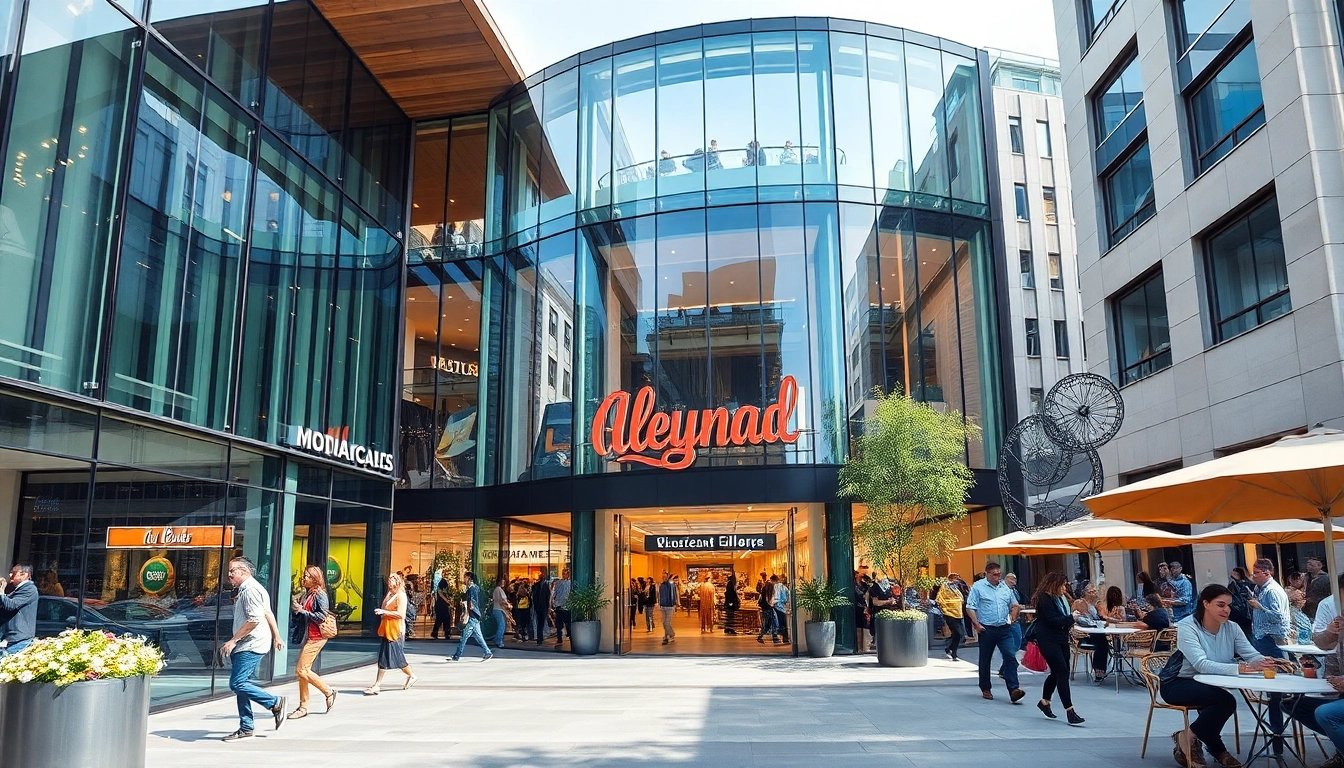
A modern establishment is characterized by its multifunctionality, aesthetic considerations, and responsiveness to inhabitants’ needs. These spaces often incorporate open layouts that encourage interactions and engagements, as well as design elements that reflect their urban surroundings. Furthermore, the integration of technology plays a vital role, with features such as smart lighting, automated systems, and communication infrastructure designed to enhance user experience.
Historical Evolution
The journey of modern establishments traces back to early urban centers where public spaces were designed to facilitate commerce and social interactions. Over time, various architectural movements such as Modernism and Brutalism introduced new aesthetics and functionality. The late twentieth century saw a shift towards sustainable design, shapes, and materials that are now hallmarks of modern establishments, supporting both ecological and community needs.
Importance in Urban Development
Modern establishments play a pivotal role in urban development, not just as centers of commerce but as communal hubs that foster collaboration and engagement. These spaces contribute to vibrant city life, helping local economies flourish while addressing the needs of diverse populations. They act as catalysts for development, encouraging investment, tourism, and cultural exchange, ultimately revitalizing urban areas.
Key Elements of a Modern Establishment
Architectural Innovations
Architectural advancements have drastically shaped the concept of a modern establishment. Innovations such as modular construction, 3D printing, and parametric design enhance functionality and adaptability while allowing for creative freedom. Iconic structures now use sustainable materials and energy-efficient technologies to meet the demands of contemporary life and reduce overall environmental impact.
Technology Integration
Technology is at the forefront of modern establishments, facilitating seamless interactions and improving user experiences. Integration of smart technology, such as IoT (Internet of Things) devices, enables buildings to adapt to occupancy, enhancing comfort while optimizing energy use. Furthermore, digital platforms allow for real-time communication and data sharing, supercharging productivity and engagement within these spaces.
Sustainability Practices
Modern establishments exemplify sustainability practices aimed at minimizing their ecological footprint. By incorporating renewable energy sources, water conservation systems, and lush green spaces, these buildings not only support environmental health but also promote well-being among users. Many modern establishments adhere to rigorous sustainability certifications, reflecting their commitment to eco-friendly practices.
Impact on Local Communities
Creating Job Opportunities
Modern establishments directly contribute to job creation. As they arise, they often become the nerve centers for new businesses, leading to employment opportunities in various fields ranging from retail to professional services. Moreover, these establishments often inspire local entrepreneurship, leading to a symbiotic relationship between robust community roles and the establishment’s growth.
Boosting Local Economy
By attracting visitors and facilitating commerce, modern establishments significantly boost local economies. Their design often encourages foot traffic, enhancing local businesses’ visibility and sales. Additionally, they tend to attract investment, both from private sectors and local governments, further injecting funds into the economy, which cycles back into community services and infrastructure improvements.
Enhancing Social Interaction
Modern establishments serve as social hubs that foster community interaction. Well-designed public spaces encourage gatherings, cultural events, and social activities where individuals from diverse backgrounds can connect. These interactions strengthen community bonds and cultivate a sense of belonging, transforming urban life into a collaborative experience.
Challenges Facing Modern Establishments
Adapting to Market Changes
In an ever-evolving marketplace, modern establishments face the challenge of adapting to changing consumer preferences and economic conditions. Staying relevant requires agility in operations and offerings. Establishments must continuously engage with their communities to align their services with the needs and desires of their patrons, ensuring they remain attractive and viable.
Maintaining Aesthetic Appeal
As modern establishments evolve, maintaining their aesthetic appeal is crucial. Clarity in design and fidelity to architectural intent can be compromised through the passage of time and environmental influences. Regular renovation and thoughtful upkeep are essential to preserving the charm and functionality of these spaces while adapting to contemporary design trends.
Addressing Environmental Concerns
Another pressing challenge is managing environmental concerns associated with construction and maintenance. Developers must consider the lifecycle impact of materials, energy consumption, and waste management practices. A commitment to sustainability is essential, requiring investments in environmentally friendly technologies and practices that align with community values and expectations.
Future Trends in Modern Establishment Design
Emphasis on Flexible Workspaces
The shift towards remote and hybrid work models has led to a growing emphasis on flexible workspaces. Modern establishments are increasingly designed to accommodate a range of work environments, from collaborative co-working areas to private offices. This adaptability not only meets diverse user needs but also maximizes the utility of available space.
Adoption of Smart Technologies
Looking forward, the adoption of smart technologies will only intensify. Innovations such as artificial intelligence and advanced analytics will inform space management, user engagement, and energy efficiency. Smart buildings equipped with real-time data analytics can personalized experiences while driving operational efficiencies and enhancing sustainability practices.
Incorporating Green Spaces
Integrating green spaces within modern establishments is becoming an essential design element. These spaces provide not just aesthetic value, but also enhance mental well-being and biodiversity. Future designs will increasingly prioritize outdoor and indoor greenery, creating environments that nurture connections with nature while promoting ecological resilience.
Frequently Asked Questions
What is a modern establishment?
A modern establishment refers to multifunctional spaces that integrate contemporary design, technology, and sustainable practices to enhance urban living.
How do modern establishments impact local economies?
They boost local economies by attracting visitors, creating job opportunities, and encouraging investment in surrounding areas.
What are some architectural innovations in modern establishments?
Key innovations include modular construction, 3D printing, and sustainable design materials that enhance functionality and adaptability.
What challenges do modern establishments face?
Challenges include adapting to market changes, maintaining aesthetic appeal, and addressing environmental concerns associated with construction.
What future trends are shaping modern establishments?
Future trends include flexible workspaces, smart technology adoption, and the incorporation of green spaces to enhance user experience.