Understanding Bed Bugs: The Essentials of Effective Treatment
Bed bugs have become a growing concern for homeowners and renters alike, especially in densely populated areas like Milwaukee. These tiny pests are not only a nuisance, but their infestations can disrupt daily life and lead to significant emotional distress. With their ability to reproduce swiftly and adapt to various environments, understanding bed bug behavior is crucial for effective treatment. Whether you’re dealing with an infested home or simply seeking to prevent one, knowing the ins and outs of bed bug treatment is essential. For comprehensive options and insights into bed bug treatment, visit bed bug treatment services tailored for your needs.
What Are Bed Bugs and Why Are They a Concern?
Bed bugs, scientifically known as Cimex lectularius, are small, nocturnal insects that feed on human blood. Their flattened, oval bodies allow them to hide easily in crevices, making detection challenging until an infestation becomes severe. The presence of bed bugs is not merely an inconvenience; they can lead to sleepless nights and anxiety due to their bites, which can cause itchy welts and skin irritations. Moreover, bed bugs are excellent hitchhikers, often traveling from one location to another through clothing, luggage, or used furniture, which heightens the risk of spreading infestations in communities.
Common Signs of Infestation
- Visible bed bugs or their shed skins in sleeping areas.
- Dark spots on bedding or furniture from bed bug droppings.
- Small blood stains on sheets from crushed bugs.
- Itchy, red welts on the skin, typically in a linear pattern.
Behavior and Life Cycle of Bed Bugs
Understanding the behavior and life cycle of bed bugs is essential for administering effective treatment. Adult bed bugs can live several months without feeding, and a female bed bug can lay over 500 eggs throughout her lifespan. Their lifecycle includes several stages: egg, nymph, and adult, with nymphs requiring blood meals to mature. Bed bugs typically reside within an 8-foot radius of their food source, primarily where people sleep, making bedrooms the most common infested areas. Because they tend to hide in dark, secluded locations during the day, identifying their presence often requires thorough visual inspections.
Bed Bug Treatment Options: Comparing Methods
When it comes to eradicating bed bugs, homeowners have multiple treatment options at their disposal. However, selecting the right method depends on the severity of the infestation, personal preferences, and specific circumstances. Each treatment has its own advantages and limitations, which can affect its overall efficacy. Thus, understanding the various bed bug treatment options can help ensure a successful resolution to your pest problem.
Heat Treatment: An Eco-Friendly Approach
Heat treatment is a popular and eco-friendly option for bed bug extermination. This method involves raising the temperature of the affected area to a level that is lethal to bed bugs at all life stages, including eggs. Typically, the temperature is set between 120°F to 140°F (49°C to 60°C), and it must be maintained for a sufficient duration to ensure complete eradication. One of the significant benefits of heat treatment is its non-toxicity; there are no harmful residual chemicals left behind, making it safer for children and pets. Additionally, heat treatment can simultaneously eliminate other allergens, such as dust mites, providing a cleaner environment.
Chemical Treatments: Efficacy and Safety Considerations
Chemical treatments remain the most commonly utilized method for bed bug extermination. These involve the application of residual insecticides that can kill bed bugs on contact and continue to work for weeks or even months after application. The key to effective chemical treatment is to use high-quality commercial-grade products, as many DIY solutions may lack the potency required to eliminate established infestations. However, it is important to consider safety concerns and proper application techniques to minimize health risks associated with pesticide exposure.
Combination Treatments: The Best of Both Worlds
For many homeowners, a combination of heat and chemical treatments may yield the best results. While heat effectively kills bed bugs and eggs quickly, chemical treatments help establish a long-term residual barrier against re-infestation. This comprehensive approach ensures that any bed bugs that may have escaped initial treatments can be dealt with effectively, maximizing the chances of complete eradication. Additionally, utilizing both methods reduces the likelihood of bed bugs developing resistance to a single treatment type.
Preparing for Treatment: What Homeowners Should Know
Preparation is crucial for the successful treatment of bed bugs. Homeowners should take proactive steps to ensure that the treatment process is effective and minimizes the chances of reinfestation. Engaging with professionals can help streamline this process, ensuring every aspect is adequately addressed before treatments commence.
Pre-Treatment Steps to Ensure Success
- Clear the affected area of furniture and personal belongings for better access.
- Wash all bedding, clothing, and linens in hot water to kill any bugs present.
- Vacuum thoroughly to remove visible bugs and eggs, focusing on seams and cracks.
- Inform professionals about your infestation level for tailor-made treatments.
What to Expect During the Treatment Process
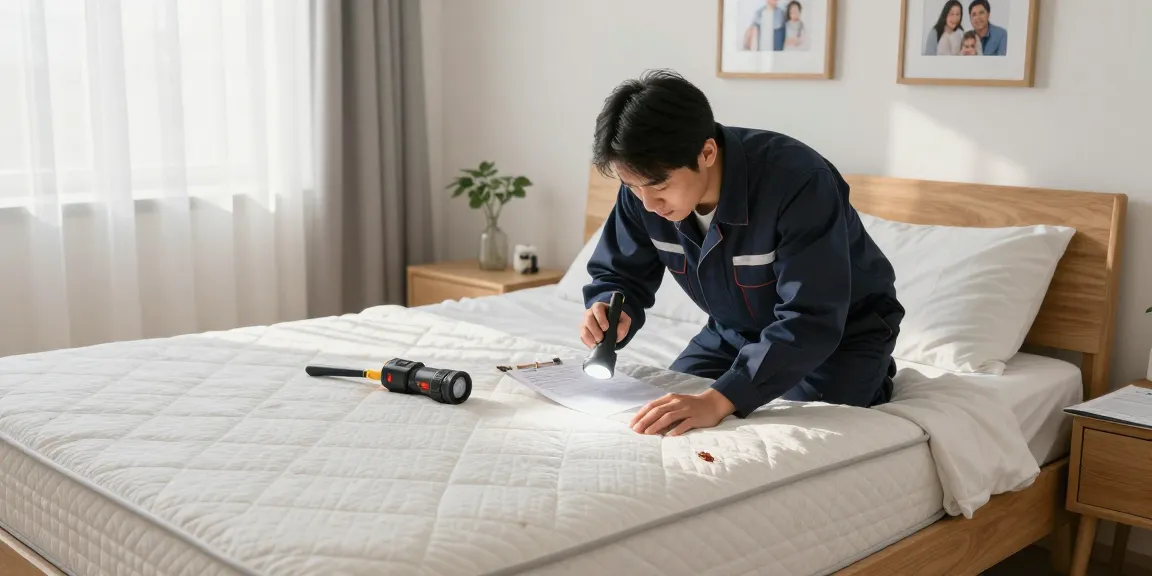
During the treatment process, homeowners can expect a thorough examination of their living space to identify bed bug hotspots. Depending on the chosen method, the exterminators will either set up heat treatment equipment or apply insecticides. The duration of the treatment will vary based on the method used and the size of the infestation. Technicians will often provide homeowners with guidelines on how to limit exposure during treatment.
Post-Treatment Measures for Long-Term Prevention
Once treatment has been completed, it is essential to adopt preventive measures to avoid future infestations. This includes regularly inspecting secondhand items before bringing them home, using protective mattress encasements, and reducing clutter that could serve as hiding places for bed bugs. Additionally, homeowners should maintain vigilance regarding potential signs of bed bugs and inform professionals at the first sign of a problem.
Real-World Case Studies: Success Stories in Bed Bug Extermination
Learning from real-world scenarios can provide valuable insights into effective bed bug extermination strategies. Here, we explore two case studies that demonstrate the varying approaches taken in bed bug treatment and the successful outcomes achieved.
Case Study One: Chemical Treatment in an Apartment Building
In an urban apartment complex with a noticeable bed bug outbreak, a comprehensive chemical treatment strategy was implemented. The pest control team utilized a combination of residual insecticides and thorough inspections to ensure every unit was treated. After treatment, follow-up visits were conducted to monitor the effectiveness of the chemicals, leading to the successful eradication of bed bugs in all units within a few weeks.
Case Study Two: Heat Treatment in a Single-Family Home
Another case involved a single-family home struggling with a severe bed bug infestation. The homeowners opted for heat treatment due to concerns about chemical exposure for their children. The treatment raised the home’s temperature to lethal levels for bed bugs and was completed in a single day. Follow-up inspections revealed no signs of bed bugs, highlighting the effectiveness of heat treatment as a rapid response.
Lessons Learned from Real-Life Treatments
These case studies illustrate the importance of tailored approaches in bed bug treatment. Whether opting for chemical, heat, or combination methods, understanding the situation and selecting the right treatment based on the specific conditions often leads to successful outcomes. Furthermore, educating oneself about bed bugs and their behaviors can significantly empower homeowners in preventing future infestations.
Frequently Asked Questions About Bed Bug Treatment
As a homeowner facing the threat of bed bugs, you’re likely to have numerous questions about treatment options, effectiveness, and preventative strategies. Below are some of the most commonly asked questions and their answers to give you a clearer understanding of bed bug treatment.
What is the average cost of bed bug treatment?
The cost of bed bug treatment varies based on the method chosen, the severity of the infestation, and the size of the property. Generally, chemical treatments may range from $300 to $1,500, while heat treatments might be slightly higher due to the equipment and labor involved. It’s best to consult with professionals for accurate estimates tailored to your situation.
Are bed bugs dangerous to my health?
While bed bugs do not transmit diseases, their bites can cause allergic reactions, skin irritations, and significant discomfort. The psychological impact of having an infestation can also lead to anxiety and insomnia. Therefore, addressing a bed bug problem proactively is crucial for both physical and mental well-being.
How can I prevent bringing bed bugs into my home?
Preventing bed bugs involves adopting various precautionary measures, such as inspecting secondhand furniture, using bed bug-proof encasements on mattresses and box springs, and being cautious while traveling. Regularly vacuuming and being vigilant for any signs of bed bugs can also help mitigate the risks of an infestation.
What are the best DIY methods for minor infestations?
For minor infestations, DIY methods may include vacuuming often, using steam cleaners on bedding and furniture, and applying diatomaceous earth in cracks and crevices. However, while these methods may help in reducing bug populations, they are rarely enough to eliminate established infestations. Professional intervention is often necessary for complete eradication.
How do I know if my bed bug treatment was successful?
Following treatment, success can typically be determined through visual inspections for any remaining bugs or their signs, as well as monitoring for bite incidents. Professionals may recommend follow-up inspections after a specific period to ensure that the treatment has effectively eradicated the infestation.