Introduction to LVP Floor and Its Benefits
Choosing the right flooring for your home or business can be a daunting task, especially with the multitude of options available in today’s market. Among these, lvp floor (Luxury Vinyl Plank) stands out as a popular choice. Understanding what LVP is and the benefits it offers can empower you to make an informed decision.
What is LVP Floor?
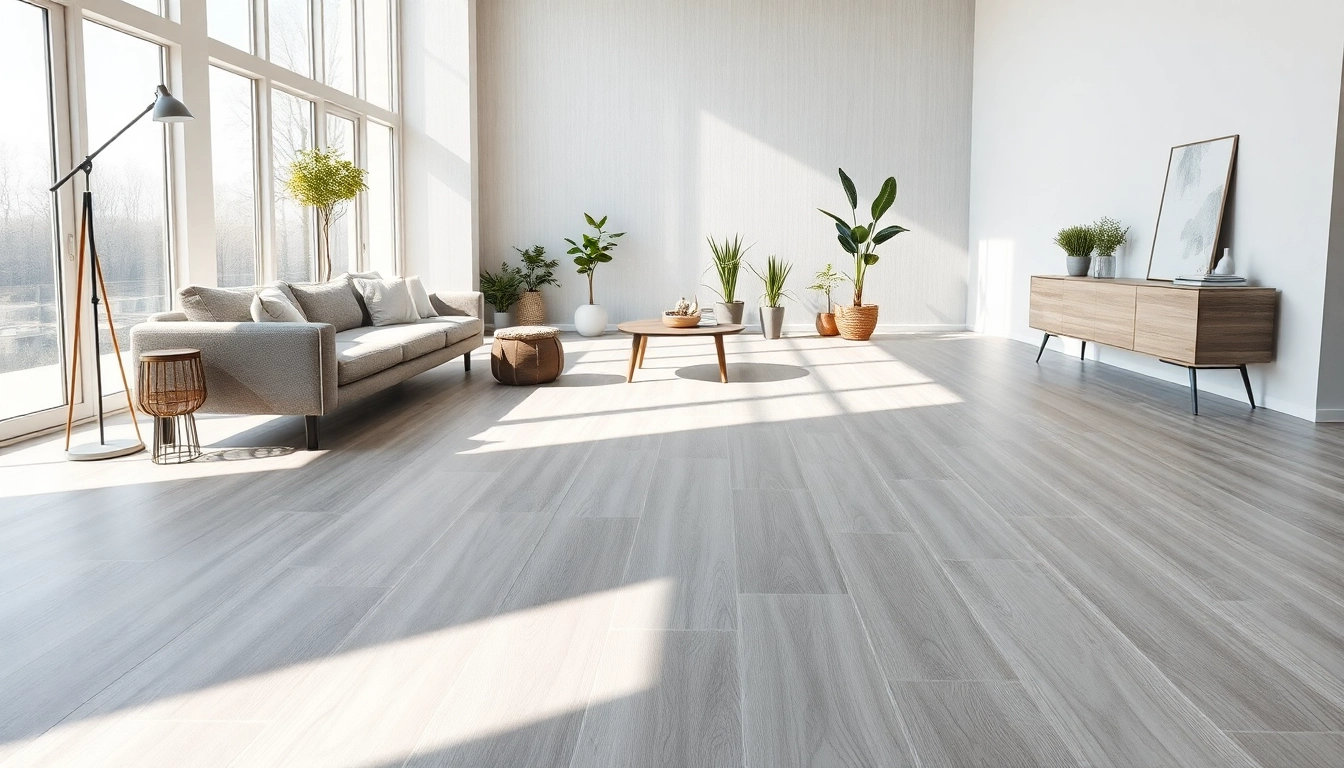
LVP floor, or Luxury Vinyl Plank flooring, is a synthetic flooring product designed to mimic the appearance of hardwood flooring. Crafted from multiple layers, LVP features a durable wear layer on the surface, a high-definition printed design layer, and a sturdy core layer. This construction not only enhances its aesthetic appeal but also improves its resistance to wear and moisture, making it ideal for a variety of settings—from residential homes to commercial spaces.
Advantages of Choosing LVP Floor
- Aesthetic Variety: LVP flooring is available in a broad range of colors, patterns, and textures, allowing homeowners to find the perfect match for their design vision.
- Enhanced Durability: The multi-layered structure contributes to LVP’s robustness, making it resistant to scratches, dents, and other types of wear, which is particularly valuable in high-traffic areas.
- Water Resistance: With its waterproof properties, LVP is an excellent choice for moisture-prone spaces like kitchens and bathrooms.
- Comfort and Sound Absorption: Unlike traditional hardwood, LVP flooring provides a softer underfoot feel and better sound insulation.
- Eco-Friendly Options: Choose from many manufacturers that offer environmentally friendly products made from recycled materials or with low VOC emissions.
Common Myths About LVP Floor
Despite its popularity, misconceptions about LVP persist. Here are a few common myths:
- LVP is the same as traditional vinyl: While both are vinyl products, LVP is higher in quality, design, and durability.
- It’s only suitable for low-end applications: LVP can enhance luxury designs, proving to be versatile for both high-end and everyday spaces.
- LVP flooring lacks resilience: On the contrary, LVP is engineered for high performance, offering more flexibility and resistance compared to traditional surfaces.
Key Features of LVP Floor
Variety of Designs and Styles
One of the standout features of LVP flooring is its extensive design options. With advancements in printing technology, manufacturers can create highly realistic wood and stone textures. From rustic oak to modern whitewashed finishes, there’s an LVP design to suit every taste. Additionally, many LVP products come in various plank sizes, offering even more customization opportunities for laying patterns such as herringbone or chevron.
Durability and Longevity of LVP Floor
LVP flooring is designed to withstand heavy use, making it ideal for both residential and commercial environments. Its wear layer protects against scratches and dents, while the sturdiness of the core layer ensures it doesn’t warp over time. Properly maintained, LVP can last a decade or more, proving that it’s not just an aesthetic choice but a long-term investment.
Water Resistance and Care Instructions
Water resistance is a crucial feature for flooring in high-moisture environments. LVP is inherently waterproof, which means spills and moisture won’t seep through to the subfloor, diminishing the risk of mold and mildew. To care for LVP flooring, regular sweeping and occasional mopping with a made-for-vinyl cleaner is recommended to keep it looking new. Avoid harsh chemicals or abrasive scrubbers that could damage the surface.
Installation Process for LVP Floor
Preparing Your Space for LVP Floor Installation
Before you install LVP flooring, it’s important to properly prepare your space. This includes removing existing flooring and ensuring the subfloor is clean, dry, and level. For concrete surfaces, check for cracks that need filling, and for wooden surfaces, ensure there are no loose boards. Once the substrate is prepared, let any freshly cleaned areas dry thoroughly for optimal adhesion.
Step-by-Step Guide to Install LVP Floor
- Tools and Materials: Gather all necessary tools, including a utility knife, measuring tape, and spacers, along with your chosen LVP flooring.
- Measure and Cut: Measure the space accurately and cut the planks to fit. Leave an expansion gap at the room’s edges according to the manufacturer’s guidelines.
- Lay the Flooring: Begin laying the planks from one corner of the room, ensuring to stagger the joints for a natural look. Use spacers to maintain the gap between the plank edges and the wall.
- Secure the Planks: Depending on the installation method (click, glue, or peel and stick), follow the manufacturer’s instructions to secure the planks in place.
- Finishing Touches: Once all planks are laid, install baseboards or quarter-rounds to cover the expansion gaps, completing the look.
Hiring Professionals vs. DIY Installation
Choosing between DIY installation and hiring professionals for LVP flooring can significantly affect the outcome. DIY can save costs and provide a sense of accomplishment, but mistakes in measurement or installation can lead to issues later on. On the other hand, hiring professionals ensures a polished look and right installation while saving time and relieving stress from the process. Consider your abilities, budget, and time constraints when making this decision.
Maintaining Your LVP Floor
Daily Care Routines for LVP Floor
Maintaining the stunning appearance of your LVP flooring involves straightforward daily care. Start with sweeping or vacuuming regularly to remove dirt and debris. This prevents scratches and keeps the flooring looking fresh. Additionally, placing mats at entryways can significantly decrease the amount of dirt and grit that gets onto the floors.
Handling Scratches and Damage
Even the most durable LVP flooring can suffer from scratches or scuffs. For minor scratches, gently buff them with a soft cloth and the appropriate cleaner. More significant damage may require a repair kit, which usually includes a blending compound to match the floor’s color. If damage persists, consider replacing the affected planks by simply removing them without disrupting the surrounding flooring.
Best Cleaning Products for LVP Floor
When it comes to cleaning LVP, it’s essential to use products specifically designed for this type of flooring. Look for gentle pH-neutral cleaners that won’t dull the surface. Avoid wax or oil-based products, as these can create a slippery residue. Regularly mopping with a slightly damp microfiber cloth can help maintain shine and cleanliness.
FAQs About LVP Floor
How long does LVP floor last?
With proper care, LVP flooring can last 10 to 20 years, making it a durable choice for any space.
Is LVP floor comfortable underfoot?
Yes, LVP flooring is designed to be comfortable and soft, providing a great feel underfoot while reducing strain on joints.
Can LVP floor be installed over existing flooring?
Yes, LVP can often be installed over existing hard surfaces without complications, making it a convenient option for renovations.
Does LVP floor fade in sunlight?
Most LVP floors are designed to resist fading; however, prolonged exposure to direct sunlight can still affect colors over time.
Is LVP floor eco-friendly?
Many LVP products are crafted from recycled materials and have low VOC emissions, making them eco-friendly flooring options.