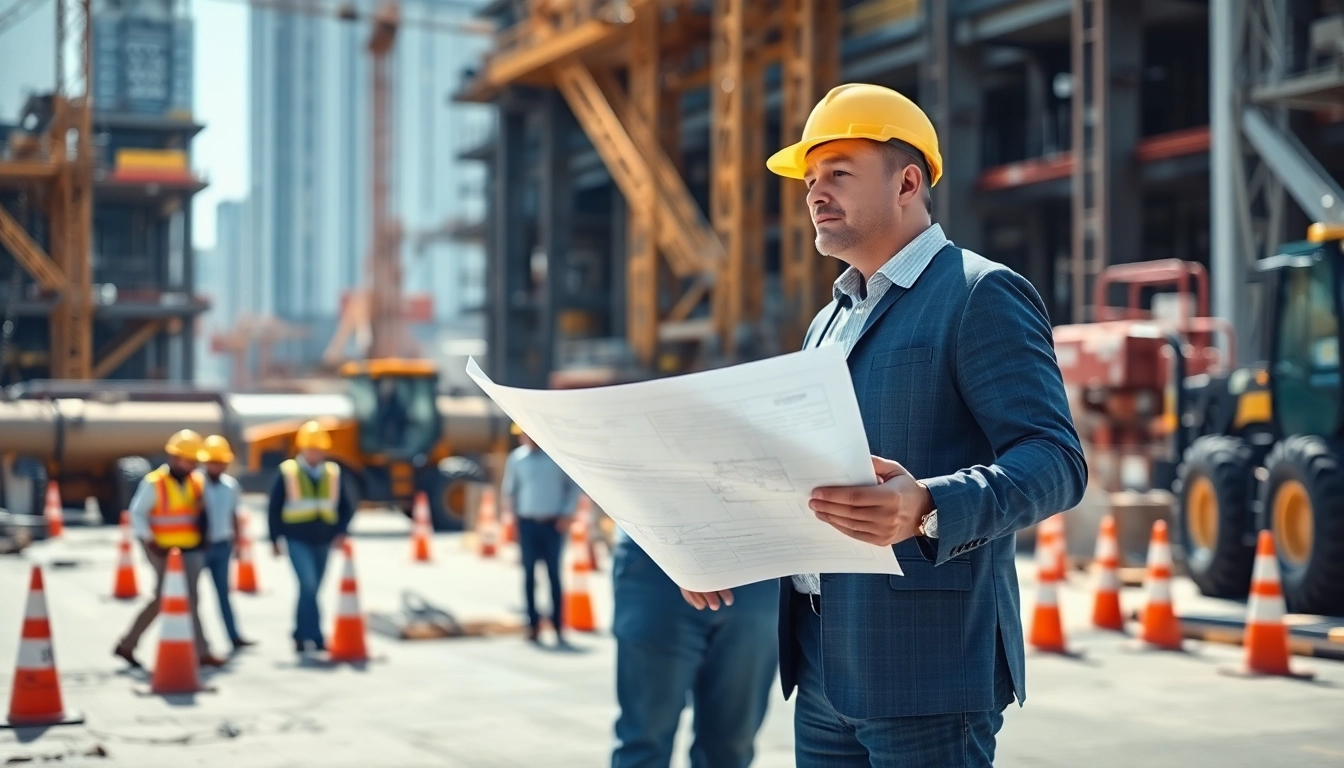
Understanding the Role of a New Jersey Construction Manager
Defining the Position and Responsibilities
The role of a New Jersey Construction Manager is multifaceted, encompassing the planning, coordination, and execution of construction projects from inception to completion. This key position involves overseeing various aspects of a project, including budgeting, scheduling, resource allocation, and compliance with building codes and safety regulations. A construction manager also acts as a liaison between various stakeholders, including clients, architects, contractors, and government entities, ensuring everyone is aligned with the project goals.
Typically, a construction manager’s responsibilities can be broken down into several core areas:
- Project Planning: This involves developing a comprehensive project plan that outlines the project scope, timeline, and budget.
- Resource Management: Ensuring that the necessary materials, labor, and equipment are available at the right time to avoid delays.
- Risk Management: Identifying potential risks, creating mitigation plans, and adapting to unforeseen challenges as they arise.
- Quality Control: Supervising the construction process to ensure that the work meets the required quality standards.
Key Skills and Qualifications Required
Successful New Jersey construction managers possess a combination of technical knowledge and interpersonal skills. Key qualifications include:
- Bachelor’s Degree: A degree in construction management, civil engineering, or a related field is often required.
- Experience: Proven experience in construction projects, ideally in a managerial role, is crucial.
- Certifications: Certifications such as the Certified Construction Manager (CCM) or Project Management Professional (PMP) can enhance credibility.
- Leadership Skills: The ability to lead and motivate teams, fostering a collaborative and productive work environment.
- Communication Skills: Effective communication with stakeholders and team members is essential for project success.
- Problem-Solving Skills: A strong aptitude for addressing challenges quickly and efficiently during the construction process.
Importance of Effective Project Management
Effective project management is a cornerstone of successful construction management. It allows for systematic planning, execution, and monitoring of every phase of a project. Proper project management ensures that timelines are met, budgets are respected, and quality standards are upheld. A construction manager’s ability to implement project management methodologies can profoundly impact project outcomes, potentially leading to cost savings and enhanced client satisfaction.
Choosing the Right New Jersey Construction Manager
Evaluating Experience and Track Record
When selecting a construction manager, evaluating their experience and track record is crucial. A seasoned New Jersey Construction Manager will have a portfolio of successfully completed projects that demonstrate their expertise. Look for managers who have worked on projects similar in scope and complexity to yours, as they will likely bring valuable insights and strategies to the table.
Additionally, consider checking references and testimonials from previous clients to gauge their satisfaction with the construction manager’s performance. A reliable manager should have a history of finishing projects on time and within budget while maintaining high-quality standards.
Questions to Ask Potential Managers
To ensure the right fit, consider asking the following questions during the interview process:
- What is your experience with projects of our size and scope?
- How do you approach risk management in your projects?
- What project management tools do you use for scheduling and budgeting?
- How do you ensure effective communication among project stakeholders?
- Can you provide references from your past clients?
Understanding Pricing and Budgeting
Budget considerations are a fundamental part of hiring a New Jersey Construction Manager. Understanding pricing structures—whether percentage-based, fixed fees, or hourly rates—will help in making an informed decision. Transparency in pricing is essential; therefore, it’s vital to request a detailed breakdown of costs involved, including labor, materials, and any potential contingencies.
Moreover, effective budgeting practices include not only the initial cost estimates but also ongoing financial assessments throughout the project to ensure it remains on track financially.
Best Practices for Successful Construction Management
Creating a Strong Project Plan
A robust project plan is critical for successful construction management. It serves as a roadmap for the project’s execution and includes timelines, budgets, resource allocation, and risk management strategies. When crafting a project plan, it’s vital to include all stakeholders in the discussion to ensure their needs and expectations are met from the outset. Regular updates and adjustments to the project plan based on emerging challenges and changes can further enhance project success.
Incorporating Safety Standards
Safety should be a paramount concern in any construction project. Incorporating best safety practices—from training workers to implementing safety protocols—can prevent accidents and ensure compliance with legal requirements. A New Jersey Construction Manager is responsible for developing a safety plan that aligns with local regulations and industry standards, creating a secure environment for workers and minimizing risks.
Effective Communication Strategies
Communication is key in construction management. Establishing clear lines of communication among all project stakeholders helps to mitigate misunderstandings and ensures everyone is aligned with the project goals and timelines. Regular meetings, progress reports, and the use of project management tools facilitate effective communication, fostering a collaborative atmosphere that can lead to project success.
Technological Innovations in Construction Management
Utilizing Project Management Software
Adopting project management software is becoming increasingly common in the construction industry. These tools enhance collaboration, streamline communication, and improve overall project oversight. Features like real-time updates, document sharing, and task management contribute to better project tracking and accountability.
Moreover, software solutions often offer analytical tools that can help a New Jersey Construction Manager predict timelines and costs based on historical data, making project management more efficient and effective.
Adopting Sustainable Practices
Sustainable construction practices benefit both the environment and a company’s bottom line. Implementing eco-friendly materials, waste reduction strategies, and energy-efficient systems can help lessen the environmental impact of construction projects. Not only does sustainability appeal to environmentally-conscious clients, but it can also result in cost savings through increased efficiency and reduced waste.
Integrating Smart Technology on-site
Smart technology, such as Internet of Things (IoT) devices and building information modeling (BIM), is transforming construction management. These technologies allow for real-time monitoring of building conditions and facilitate smarter decision-making processes. A New Jersey Construction Manager who embraces these innovations can ensure higher quality outcomes and improved efficiency throughout the project lifecycle.
Real-world Examples of Successful Projects
Case Study: Large Developments
Examining successful large-scale developments can offer valuable lessons for aspiring construction managers. For example, a notable project demonstrating effective management involved a multi-million-dollar commercial complex, where meticulous planning and stakeholder engagement led to completion ahead of schedule. This project utilized a collaborative approach among stakeholders, which significantly reduced change orders and enhanced project flow.
Lessons Learned from Challenges
Every construction project comes with its challenges. A construction manager must adapt to unexpected issues, such as material shortages or labor disputes. For instance, a construction project facing delays due to supply chain disruptions learned to develop a contingency plan that included alternative suppliers, which safeguarded against future risks and ensured continued progress.
Future Trends in Construction Management
As the construction industry evolves, new trends emerge. Digital transformation is a significant trend impacting construction management, with an increasing reliance on AI and machine learning for predictive analytics and project management. The shift towards remote work has also led to an uptick in virtual collaboration tools, allowing construction managers to oversee projects efficiently from any location.
Frequently Asked Questions
1. What qualifications should a New Jersey construction manager have?
A New Jersey construction manager typically should have a degree in construction management or a related field, along with relevant certifications and experience in construction projects.
2. How important is experience in construction management?
Experience is critical, as it equips construction managers with the skills and knowledge to handle various project challenges efficiently and effectively.
3. What are the key responsibilities of a construction manager?
Key responsibilities include project planning, resource management, risk assessment, quality control, and communication with stakeholders throughout the project lifecycle.
4. How can technology improve construction management?
Technology enhances construction management through improved communication, planning, monitoring, and the use of advanced tools for tracking project progress and efficiency.
5. What should I consider when selecting a construction manager?
Consider their experience, track record, communication skills, pricing structure, and how well they align with your project goals and values.