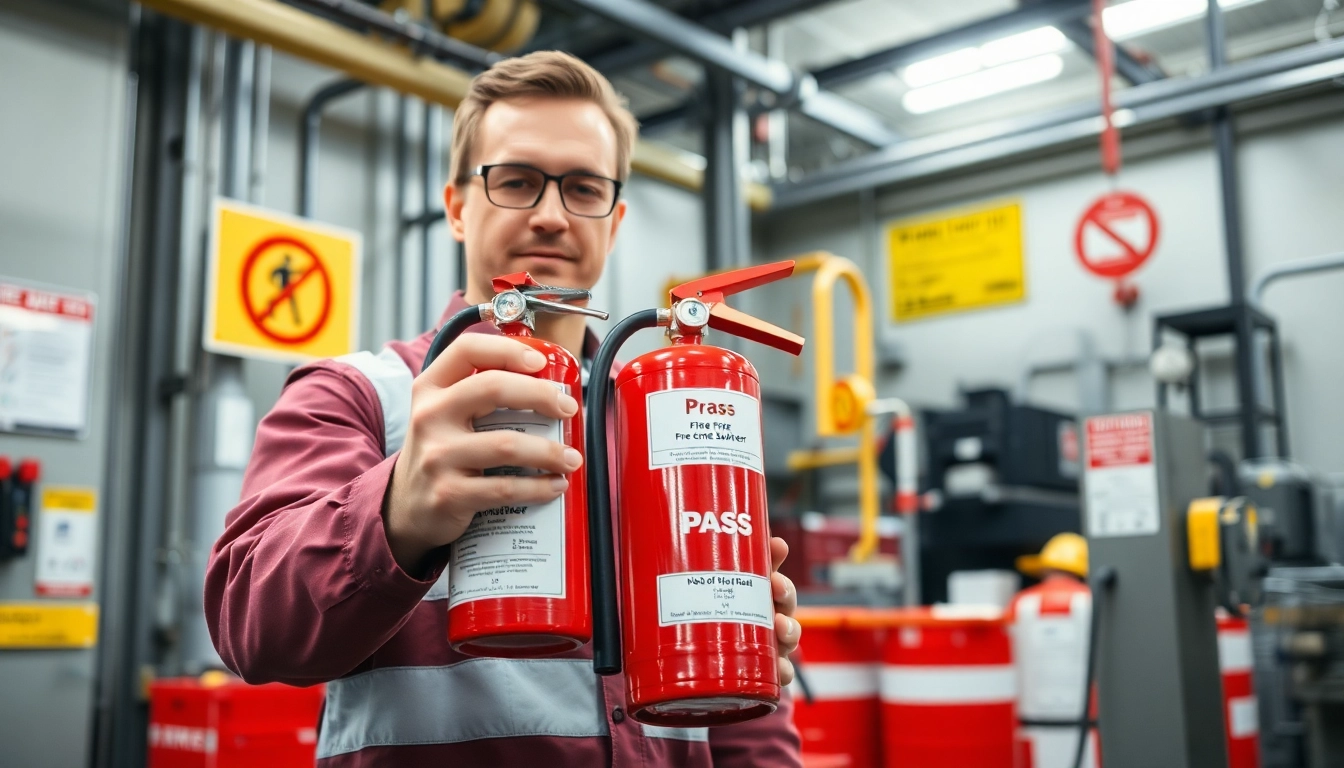
Understanding the Importance of a Pass Fire Extinguisher
In various environments, particularly in workplaces, residential buildings, and public spaces, fire hazards loom large. It’s not just about prevention; it’s also about preparedness. One of the most effective ways to be prepared for unforeseen fire emergencies is by having a pass fire extinguisher readily available. Understanding its significance and knowing how to use it can mean the difference between minor damage and catastrophic loss.
What is a Pass Fire Extinguisher?
A pass fire extinguisher refers to a portable device specifically designed to extinguish fires by discharging an agent towards the flames. The term “PASS” is also an acronym that illustrates the four crucial steps in using an extinguisher effectively: Pull, Aim, Squeeze, and Sweep. These simple yet powerful steps empower individuals to act decisively and safely in emergencies, targeting the fire directly and efficiently controlling it.
Why Fire Extinguishers Are Essential in Safety Protocols
The presence of fire extinguishers is foundational in safeguarding lives and property. Fire can spread rapidly, consuming everything in its path within minutes. Having a fire extinguisher allows for immediate action, reducing the risk of larger blazes which could lead to devastating injuries or loss of life. Furthermore, they are essential elements in legal fire safety regulations and are often a requirement by local building codes, ensuring that establishments prioritize safety.
Key Advantages of Using a Pass Fire Extinguisher
- Immediate Response: The accessibility of a pass fire extinguisher allows occupants to respond swiftly to fire incidents, potentially halting the flames before they escalate.
- Simple Operation: Utilizing the PASS method simplifies the process, making it achievable even for those with minimal training.
- Cost-Effective Safety: Investing in a fire extinguisher is significantly cheaper than repairing fire damage, which can run into thousands or even millions.
- Peace of Mind: Knowing that a reliable means of fire suppression is within reach creates a sense of safety and security in any environment.
Basic Functions of Pass Fire Extinguisher
Identifying Different Fire Classes
Understanding fire classes is essential for the effective use of a pass fire extinguisher. Fires are categorized into classes based on the materials that ignite:
- Class A: Ordinary combustibles like wood, paper, and cloth.
- Class B: Flammable liquids such as gasoline, oil, and paint.
- Class C: Electrical fires caused by faulty wiring, appliances, or electrical equipment.
- Class D: Metals that burn including magnesium, titanium, and sodium.
- Class K: Fires involving cooking oils and fats typically found in kitchens.
Specific fire extinguishers are designed for different classes, thus, knowing which type of extinguisher to use based on the fire class is crucial.
Components of a Pass Fire Extinguisher
A typical pass fire extinguisher consists of several key parts, each serving a specific function:
- Cylinder: The container that houses the extinguishing agent.
- Handle: The trigger mechanism that activates the extinguisher.
- Gauge: A pressure indicator that shows if the extinguisher is charged and ready for use.
- Nozzle: The part through which the extinguishing agent is expelled.
- Safety Pin: A security feature that prevents accidental discharge.
How to Read a Fire Extinguisher Label
Every fire extinguisher should have a label detailing vital information about its capabilities and contents. Here’s what to note when reading it:
- Fire Class Ratings: Look for symbols indicating which class of fire the extinguisher can extinguish.
- Operating Instructions: Step-by-step guidance on how to use the extinguisher effectively.
- Inspection Dates: Check when the extinguisher was last inspected or serviced to ensure it is functional.
- Manufacturer Information: Details about the manufacturer for service and maintenance.
How to Use a Pass Fire Extinguisher Effectively
Step-by-Step Guide: The PASS Technique
Utilizing a pass fire extinguisher effectively involves following the PASS technique:
- Pull: Pull the safety pin located on the handle to unlock the device.
- Aim: Direct the nozzle at the base of the fire from a safe distance (usually 8-10 feet).
- Squeeze: Squeeze the handle to release the extinguishing agent.
- Sweep: Sweep the nozzle from side to side at the base of the fire until it is completely extinguished.
Common Mistakes to Avoid
While using a pass fire extinguisher might seem straightforward, certain errors can exacerbate the situation:
- Aiming at the Flames: Always aim at the base of the fire rather than the flames.
- Standing Too Close: Maintain a distance of about 8-10 feet to avoid heat and smoke.
- Inadequate Use: Do not use the entire contents in one go; use in short bursts while aiming and sweeping.
- Neglecting Safety: Do not put yourself in danger; if a fire spreads rapidly, evacuate immediately.
Practicing Fire Extinguisher Usage
Regular training on how to use a pass fire extinguisher can save lives. Conduct drills to practice the PASS technique with staff or family members. Familiarize everyone with the specific location of the extinguishers and practice responding to different fire scenarios. Consider scheduling professional training sessions for comprehensive understanding and hands-on practice.
Maintenance and Inspection of Pass Fire Extinguisher
Routine Checks and Inspections
Routine maintenance of a pass fire extinguisher is crucial for its reliability:
- Monthly Checks: Inspect the gauge, ensure it reads in the green zone, check for any visible damage, and confirm it is unobstructed.
- Annual Inspections: Have a professional service technician perform a detailed evaluation including mechanical and chemical checks.
Signs of Potential Issues
Monitoring your pass fire extinguisher for any potential issues can prevent malfunction during an emergency:
- Low Pressure: If the gauge shows low pressure, the extinguisher may need recharging.
- Corrosion: Any visible rust or damage to the cylinder indicates it needs replacement.
- Clogged Nozzle: Ensure the nozzle is clear and unobstructed for effective operation.
Refilling and Servicing Your Extinguisher
Once a fire extinguisher has been used, it must be refilled, regardless of how much agent was discharged. This ensures that it is ready for the next usage. Regular servicing by a certified technician is also essential to maintain optimal performance; it typically includes recharging, replacing any damaged parts, and performing necessary tests to ensure compliance with safety standards.
Frequently Asked Questions about Pass Fire Extinguisher
What does the PASS acronym stand for?
PASS stands for Pull, Aim, Squeeze, and Sweep, which are the four steps for using a fire extinguisher effectively.
How often should I inspect my fire extinguisher?
Fire extinguishers should be inspected monthly and fully serviced by a professional annually to ensure they are functioning properly.
Can I use a pass fire extinguisher on all fire types?
No, each fire extinguisher is designed for specific classes of fire. Always check the label for compatibility with the type of fire you are dealing with.
What are the legal requirements for having extinguishers?
Local regulations often specify the number and type of fire extinguishers required based on occupancy type, size, and hazards present. Always check local laws.
How do I know when to replace my fire extinguisher?
Replace your fire extinguisher if it is damaged, has a low pressure reading, is beyond its service date, or after it has been discharged.