- Understanding the Role of a New Jersey Commercial General Contractor
- Finding a Qualified New Jersey Commercial General Contractor
- Budgeting and Contracting with Your New Jersey Commercial General Contractor
- Common Challenges Faced Using a New Jersey Commercial General Contractor
- Measuring Success with Your New Jersey Commercial General Contractor
Understanding the Role of a New Jersey Commercial General Contractor
Definition and Importance
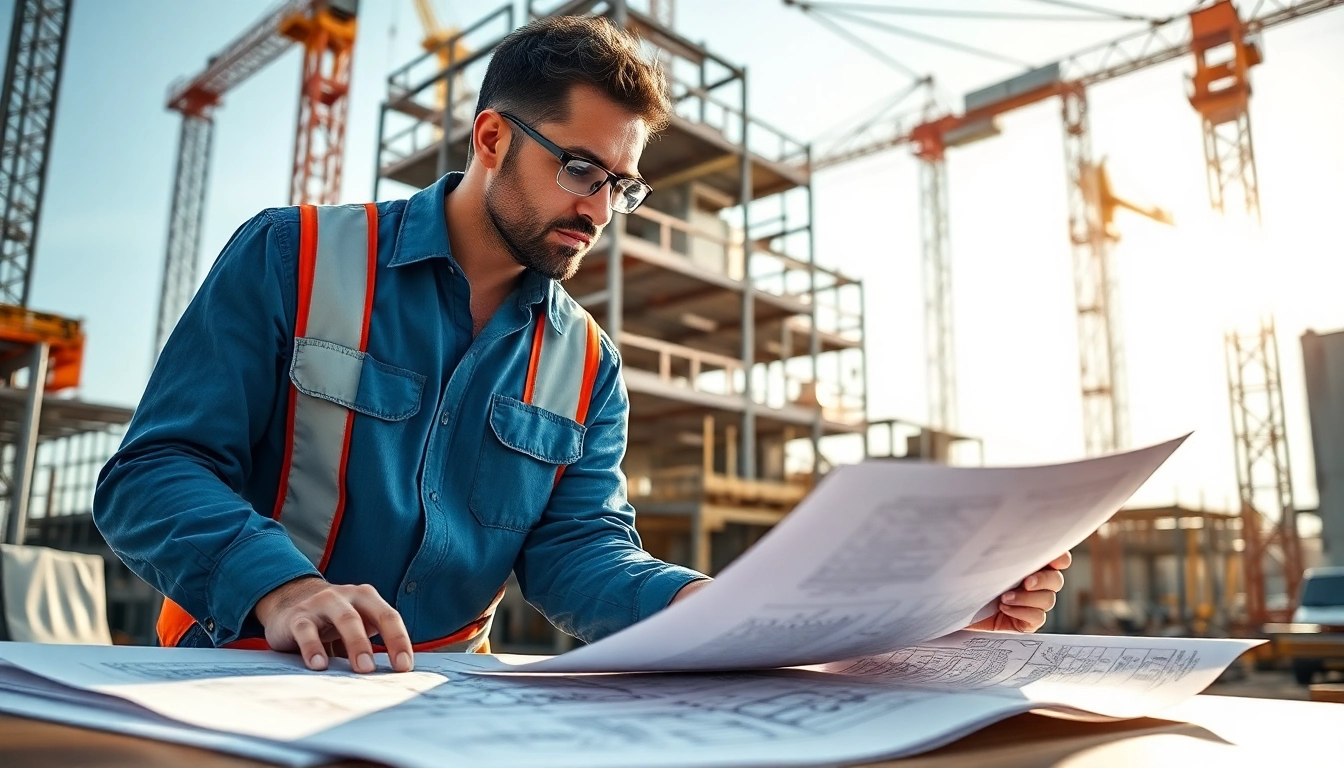
A New Jersey Commercial General Contractor acts as the central figure in managing construction projects, ensuring that everything runs smoothly from inception to completion. This role is critical not only to maintain timelines but to also oversee various aspects of the construction process, including project budgeting, compliance with local regulations, and coordination of subcontractors. They serve as a bridge between the client, the laborers, and the administrative entities, ensuring that all parties align with the project’s goals.
Key Responsibilities
The responsibilities of a New Jersey Commercial General Contractor are multifaceted and include the following:
- Project Planning: Develop comprehensive project plans that outline timelines, resource allocation, and cost estimates.
- Bidding and Contracting: Solicit bids from subcontractors, review proposals, and finalize contracts that reflect the project scope.
- Coordination of Trades: Manage various subcontractors, ensuring they operate cohesively to avoid delays and misunderstandings.
- Quality Assurance: Monitor work quality to ensure compliance with industry standards and client expectations.
- Compliance and Permitting: Secure necessary permits, and ensure adherence to safety regulations and building codes.
- Budget Management: Track and manage project costs and financial resources throughout the construction process.
How They Facilitate Construction Success
A competent New Jersey Commercial General Contractor ensures project success by employing best practices that minimize risks and maximize efficiency. They anticipate potential challenges and deploy strategic solutions, effectively communicating with all parties involved. By implementing a comprehensive project management approach that includes regular updates and transparency in operations, they foster trust and reliability, crucial for maintaining positive relationships.
Finding a Qualified New Jersey Commercial General Contractor
Researching Credentials and Experience
Finding a reputable New Jersey Commercial General Contractor begins with a thorough examination of their credentials. This includes verifying their licensing, insurance coverage, and bonding capacity. A qualified contractor should carry liability insurance, which protects the client against potential damages during the project.
Additionally, evaluate their experience by reviewing their portfolio. Look for projects that are similar in scale, complexity, and industry. A contractor with a proven track record in commercial projects will likely navigate challenges within those realms more efficiently.
Checking References and Reviews
Once you identify potential candidates, it’s critical to check their references. Ask for a list of past clients and take the initiative to reach out. Inquire about their experiences and discuss their satisfaction with the contractor’s work. Online platforms offer user-generated reviews and ratings, which can provide insight into the contractor’s reputation and reliability.
Don’t hesitate to request testimonials or reach out for additional references. A reputable New Jersey Commercial General Contractor will be transparent and able to provide positive endorsements from past clients.
Assessing Specializations
Different contractors may have specializations in particular types of projects, such as retail, office space, or industrial buildings. It is essential to assess any specialties that align with your project requirements. This specialization can often translate into higher quality work and fewer delays, as the contractor will have targeted experience in managing similar projects.
Budgeting and Contracting with Your New Jersey Commercial General Contractor
Understanding Cost Structures
Budgeting effectively for your construction project involves understanding the various cost structures associated with working with a New Jersey Commercial General Contractor. Typically, contractors may offer pricing models such as fixed-price contracts, cost-plus contracts, or time-and-materials contracts. It’s essential to discuss these terms and clarify which model best fits the nature of your project and your financial constraints.
Be aware that construction costs extend beyond labor and materials. Additional expenses may include permits, inspections, and contingency funds to cover unforeseen circumstances. A well-prepared budget anticipates these elements and includes allowances for them.
Negotiating Fair Contracts
Contracts form the backbone of any successful project, clearly detailing the scope of work, timelines, and payment structures. During the negotiation phase, ensure that every detail aligns with your project vision and protects your interests. Pay special attention to clauses regarding unforeseen changes in scope, project delays, and quality assurance.
Having a legal professional review the contract can also add an extra layer of security, ensuring that your rights and interests are safeguarded throughout the project’s lifespan.
Project Milestones and Payments
Clear payment terms and a structured timeline with defined milestones are crucial for contractual agreements. This not only motivates the contractor to remain on schedule but also allows for easier cash flow management. As milestones are reached, corresponding payments – whether partial or full – should be made to ensure ongoing project momentum.
Regularly scheduled progress meetings can also help align expectations and provide opportunities for updates, ensuring that both parties remain on the same page throughout the process.
Common Challenges Faced Using a New Jersey Commercial General Contractor
Communication Barriers
Effective communication is vital in any construction project, yet barrier issues often arise, leading to misunderstandings. Miscommunication can lead to project delays, unsatisfactory outcomes, and increased costs. To mitigate this, establish a communication plan stipulating preferred communication channels and the frequency of updates.
Employing project management software can also facilitate transparency and keep everyone informed about the project’s status, timelines, and responsibilities.
Managing Delays and Changes
Construction projects are often susceptible to delays due to weather conditions, materials shortages, or unforeseen site conditions. A proactive approach, including managing expectations with stakeholders and anticipating potential delays, can help navigate these challenges. Additionally, incorporating flexible contracting terms allows for adjustments without significant conflict when changes to the project scope are necessary.
Quality Assurance and Compliance
Ensuring that the construction work meets quality standards and complies with local building codes is paramount. Engage in regular inspections and site visits to monitor quality and compliance, address issues promptly and maintain an open dialogue about any concerns. Collaborating closely with the contractor can promote a shared commitment to maintaining the highest standards in the project.
Measuring Success with Your New Jersey Commercial General Contractor
Performance Metrics to Evaluate
Establishing comprehensive performance metrics to evaluate the success of your project is vital. Metrics might include adherence to the projects schedule, budget compliance, quality of workmanship, and client satisfaction. Documenting these metrics throughout the project can help provide a clear assessment of overall performance and guide future projects.
Surveys and interviews post-completion can yield valuable insights into the contractor’s effectiveness and areas for improvement in future engagements.
Feedback and Continuous Improvement
Encouraging feedback from all parties involved allows for continuous improvement in processes. Upon project completion, conduct a formal review to discuss what worked well and what didn’t. Linking these learnings to future contracts and interactions with the New Jersey Commercial General Contractor can enhance collaborative efforts and produce better outcomes in subsequent projects.
Celebrating Project Completion
Culminating the project should be an opportunity to celebrate the achievements and recognize everyone’s efforts. Hosting a completion ceremony not only acknowledges work well done but reinforces a positive relationship with your contractor and provides closure for all involved. Proper celebrations foster goodwill, which can benefit future collaborations.
FAQs
1. What does a New Jersey Commercial General Contractor do?
A New Jersey Commercial General Contractor manages construction projects, including coordination of trades, scheduling, and compliance with local regulations.
2. How do I find a reliable New Jersey Commercial General Contractor?
Search for licensed professionals, check online reviews, and ask for references to gauge their reputation and reliability.
3. What should I include in a contract with a New Jersey Commercial General Contractor?
Include specifics like the scope of work, payment terms, timelines, and clauses addressing delays and changes to protect your project.
4. How can I ensure quality work from my New Jersey Commercial General Contractor?
Conduct regular site inspections, maintain open communication, and set clear quality standards to ensure satisfactory results.
5. What are common pitfalls to avoid when hiring a New Jersey Commercial General Contractor?
Avoid rushing your decision, overlooking contract details, or neglecting to thoroughly vet their past projects and performance.