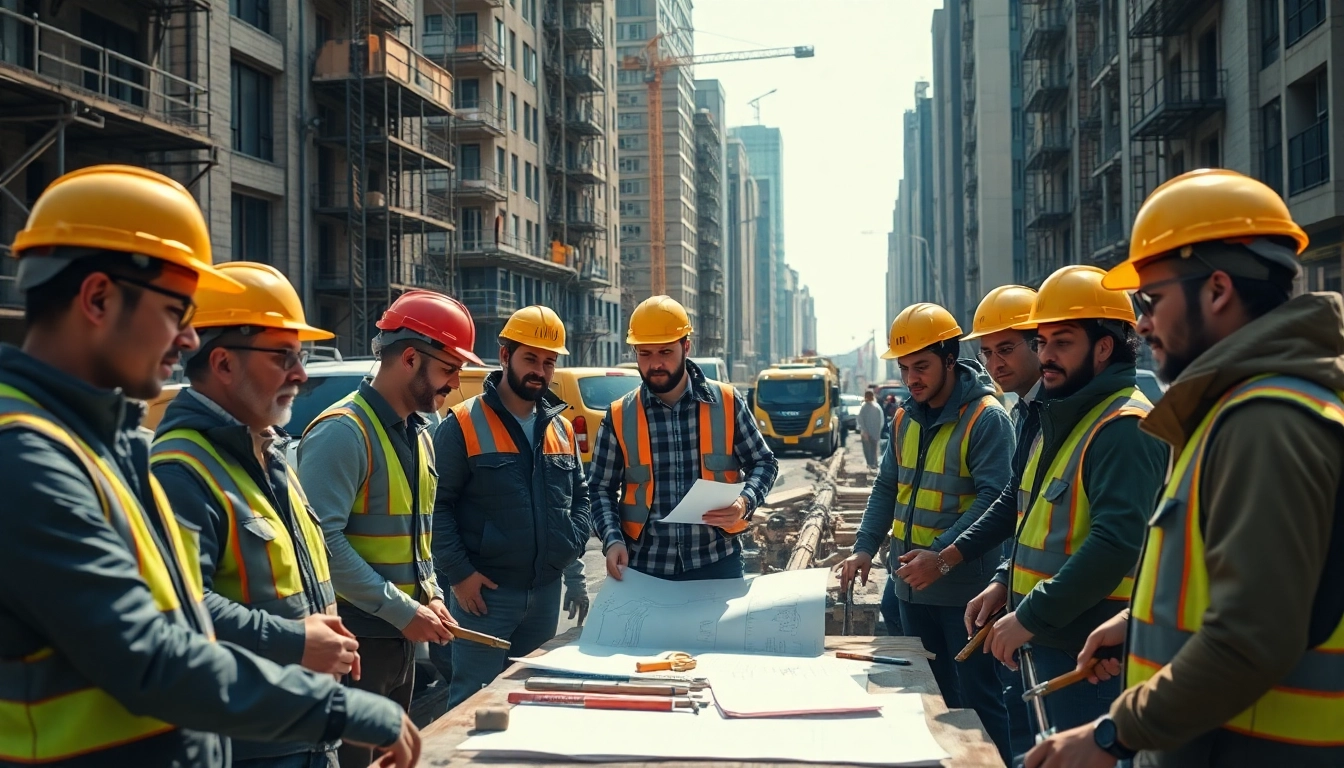
Understanding the Construction Career Landscape
The construction industry is vast and multifaceted, offering a plethora of career opportunities for those willing to enter the field. A career in construction not only provides job stability but also allows individuals to become an integral part of shaping communities through infrastructure development. This article delves into the various facets of a construction career, exploring opportunities, necessary skills, education pathways, benefits, and challenges that come with it.
Overview of Construction Career Opportunities
The construction sector is one of the largest industries globally, synonymous with jobs that range from project management to hands-on trades. Within this landscape, career paths are incredibly diverse, including roles such as general contractor, civil engineer, architect, electrician, plumber, and carpenter, to name a few. Many of these positions require varying levels of education and hands-on experience, allowing individuals from various backgrounds to find their niche in construction.
The industry is anticipated to grow significantly, driven by urban development, infrastructure repairs, and a constant need for new building projects. This growth not only signals numerous opportunities for new entrants but also emphasizes the importance of skilled labor, creating a competitive job market.
Key Skills Required for Success
Success in a construction career hinges on a combination of technical skills, soft skills, and experience. Here are key areas to focus on:
- Technical Knowledge: Understanding blueprints, codes, and regulations is essential for many roles, ensuring compliance and safety.
- Project Management: Skills in managing budgets, timelines, and teams are crucial, especially for leadership positions.
- Problem-Solving: Construction projects often encounter unexpected challenges; the ability to devise viable solutions is invaluable.
- Communication: Being able to articulate ideas clearly and work collaboratively with diverse teams is essential.
- Attention to Detail: Precision in measurement and adherence to plans can significantly affect project outcomes.
Education and Training Paths in Construction
To embark on a construction career, one must navigate various educational pathways. Here are some routes:
- Vocational Training: Many trades offer apprenticeship programs, providing hands-on experience coupled with classroom instruction.
- Associate Degrees: Community colleges offer programs in construction technology, carpentry, and plumbing that equip students with the necessary skills.
- Bachelor’s Degrees: For those interested in higher-level positions, degrees in civil engineering, construction management, or architecture are beneficial.
Benefits of Pursuing a Construction Career
Pursuing a career in construction brings with it a host of benefits that extend beyond financial gain. Let’s explore some of the key advantages:
Job Stability and Financial Potential
With constant demand for new construction projects and infrastructure repairs, job stability in this field is notably strong. Moreover, salaries in many construction professions are competitive, with skilled trades often earning wages comparable to or exceeding those in other sectors. The potential for overtime further enhances earning capacity, making construction an appealing career choice.
Opportunities for Advancement and Growth
The construction industry offers numerous advancement opportunities. Many workers start as apprentices or laborers and may progress to supervisory or managerial roles. Professional certifications can augment these opportunities, showcasing expertise and commitment to the field. Continuous skill development and experience can lead to roles like project manager or site supervisor, which command higher salaries and greater responsibility.
Making a Positive Impact through Construction
Engaging in construction means contributing to the development of essential infrastructure, from schools and hospitals to homes and transportation systems. The sense of pride that comes from seeing tangible results of one’s labor provides immense satisfaction. Workers can take pride in knowing their efforts directly influence community development and improve quality of life.
Challenges in the Construction Career Path
Despite the advantages, a construction career also comes with its share of challenges. Navigating these can help aspiring professionals better prepare for what lies ahead.
Common Hurdles Faced by Newcomers
New entrants face various hurdles, including a steep learning curve and the necessity of gaining experience quickly. Additionally, competition for entry-level positions can be intense in certain markets, especially during economic downturns. Networking with industry professionals and utilizing job placement resources can greatly assist newcomers in overcoming these challenges.
Addressing Safety Concerns on Construction Sites
Safety is paramount in construction, with a high rate of workplace injuries. Understanding safety protocols and proper use of personal protective equipment (PPE) is vital. Employers are responsible for providing comprehensive safety training, yet workers must also take personal initiative to understand potential hazards and adhere to industry safety standards to keep themselves and their colleagues safe.
Work-Life Balance in the Construction Industry
Construction careers often demand long hours and can involve physically taxing work. Achieving a balanced lifestyle can be challenging but is crucial for long-term career satisfaction. Workers can reclaim some balance by setting boundaries regarding overtime, prioritizing time off, and maintaining a healthy lifestyle to counteract physical strain on the job.
Best Practices for a Rewarding Construction Career
Maximizing satisfaction and success in a construction career requires adopting best practices that foster growth and professional development.
Networking and Building Industry Connections
Building a robust professional network is essential. Participating in industry events, joining trade associations, or simply connecting with colleagues can open doors to mentorship opportunities and job leads. A strong network can also enhance learning and provide support throughout a career.
Continuous Learning and Certifications
The construction industry is always evolving, which necessitates ongoing education and skill enhancement. Seeking certifications in specialized areas—like project management or safety compliance—can boost a professional’s marketability and confidence while showing commitment to their craft.
Staying Updated with Technology Trends
Technological advancements are reshaping construction, with innovations such as Building Information Modeling (BIM), drones, and sustainability practices gaining traction. Staying informed about these trends through workshops and online resources is crucial for remaining competitive in the industry. Adapting to new technologies not only enhances efficiency but also improves project outcomes.
Frequently Asked Questions about a Construction Career
What qualifications do I need for a construction career?
Qualifications vary by role. Basic education, such as a high school diploma, often suffices, while skilled trades may require vocational training or apprenticeships. Advanced roles, like engineering, typically need college degrees.
How does the pay in construction compare to other fields?
Pay in construction can be competitive, often comparable to fields with similar skill levels. Skilled tradespeople can earn substantial salaries, especially with experience and certifications.
Are there apprenticeship opportunities in construction?
Yes, many trades offer apprenticeship programs that combine on-the-job training and classroom instruction, making them an excellent path for newcomers to gain valuable experience.
What are the most important safety practices in construction?
Key safety practices include wearing appropriate PPE, following safety protocols, engaging in regular safety training, and reporting hazards. Safety first should always be the priority.
How do I find job openings in the construction industry?
Job openings can be found through industry-specific job boards, trade associations, networking with professionals, and local employment agencies. Consider utilizing social media platforms to discover opportunities as well.