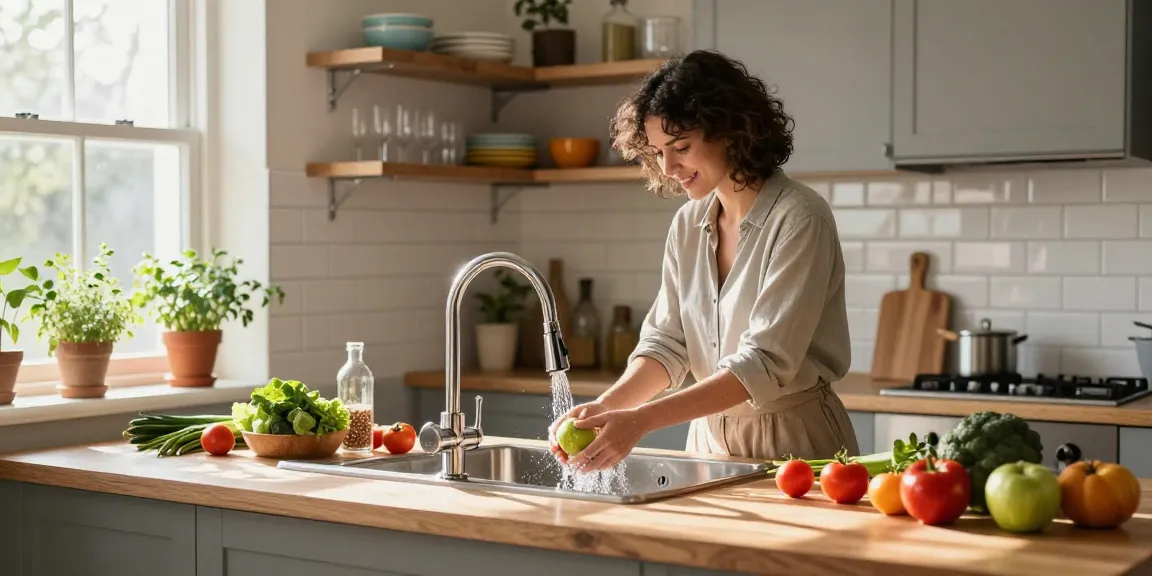
The Benefits of Choosing a Kitchen Sink in Stainless Steel
When it comes to outfitting your kitchen, the choice of sink is pivotal. A kitchen sink in stainless steel stands out among the options available today, combining functionality, style, and durability. In a culinary space where efficiency and aesthetics matter, selecting the right sink can elevate both your cooking experience and your home’s value. This article explores the numerous benefits of opting for a stainless steel sink, making a case for its enduring popularity in modern kitchen design.
Durability and Longevity of Stainless Steel Sinks
Stainless steel sinks are renowned for their strength and resistance to a range of damaging factors. Unlike ceramic or plastic options, stainless steel is capable of withstanding high temperatures, making it impervious to heat damage that can warp or crack other materials. Additionally, stainless steel is resistant to rust and corrosion, which are common issues for kitchen utilities exposed to water and moisture. This combination of durability and strength ensures that a stainless steel sink can last for decades, thus offering homeowners a practical and long-term investment.
Environmental Considerations: Is Stainless Steel Sustainable?
In an age where sustainability is a primary concern for many consumers, stainless steel emerges as a great choice due to its recyclability. Made primarily from recycled materials, stainless steel sinks can be harvested and reprocessed at the end of their life cycle, significantly reducing their environmental impact. Furthermore, their longevity means less frequent replacements, contributing to lower waste production overall.
Cost-Effectiveness Over Time: A Worthwhile Investment?
While the initial cost of a stainless steel sink may be higher than other materials, its durability ensures that it remains cost-effective in the long run. The maintenance costs associated with stainless steel sinks are also minimal due to their resistance to staining and scratching. This low maintenance paired with a long lifespan means homeowners will find themselves saving money over time, making a stainless steel sink a wise investment.
Design Options Available for Stainless Steel Kitchen Sinks
Stainless steel sinks come in a plethora of designs and styles, offering options that can suit any kitchen aesthetic, from ultra-modern to rustic. This versatility enables homeowners to select a sink that complements their kitchen’s design while ensuring they maintain the functional attributes of stainless steel.
Understanding Different Styles: Undermount, Drop-in, and Apron Front
When selecting a stainless steel sink, understanding the different installation styles is crucial:
- Undermount: This type of sink is installed beneath the countertop, creating a seamless transition that makes cleaning easy and enhances visual appeal.
- Drop-in: Also known as a top-mount sink, this style sits on top of the counter, making installation straightforward and accommodating various counter types.
- Apron Front: Also called farmhouse sinks, these feature a visible front and offer a unique style that makes a bold statement in the kitchen while providing extra space for washing larger pots and pans.
Finishes and Textures: Matte vs. Polished Stainless Steel
The finish on a stainless steel sink can significantly affect both its appearance and maintenance. Polished stainless steel offers a shiny surface that reflects light and can make the kitchen appear brighter; however, it can show water spots and fingerprints more easily. On the other hand, matte finishes provide a more understated look and are better at concealing smudges, making them a popular choice for families.
Choosing the Right Size for Your Kitchen Space
When fitting a stainless steel sink into your kitchen, size is a pertinent consideration. Sinks are available in various dimensions to cater to different kitchen layouts. A single bowl sink can suffice in smaller kitchens, while larger, multi-bowl options may be necessary for kitchens with high usage. Ensuring that the sink doesn’t overwhelm the counter space while offering adequate functionality is key to a successful kitchen design.
Installation Tips for Kitchen Sinks in Stainless Steel
The installation process of a stainless steel sink can be straightforward, especially for DIY enthusiasts. However, several factors should be considered to ensure that the installation is done correctly for optimal performance.
DIY vs. Professional Installation: What to Consider
While a DIY installation can save money, it requires a certain level of skill and tools. For those uncomfortable with plumbing, hiring a professional may be prudent. Additionally, professionals can ensure that the sink is installed without leaks and that all plumbing connections are secure, which can save on future repair costs.
Common Installation Mistakes to Avoid
Several common pitfalls can occur during installation. Not measuring the cabinet space or the sink correctly can lead to gaps that compromise the aesthetic. Additionally, neglecting to seal the sink properly can result in leaks that damage cabinetry and flooring.
Ensuring Proper Plumbing and Drainage
When installing a stainless steel sink, ensuring that the plumbing and drainage systems are adequately addressed is essential. Confirm that the sink’s drain aligns with existing plumbing and that the water flow will be unobstructed. Consult a plumbing professional if there are any uncertainties to prevent future issues.
Care and Maintenance of Stainless Steel Kitchen Sinks
To maintain a stainless steel sink’s sheen and prevent damage, regular cleaning and proper care are necessary. This section covers essential maintenance practices that every homeowner should know.
Best Practices for Cleaning and Maintaining Shine
Using mild dish soap and a soft cloth is typically sufficient for regular cleaning. For tougher stains, a paste of baking soda and water can be effective. Avoid harsh chemicals or abrasive pads, as these can scratch or dull the surface over time.
Preventing Scratches and Damage Over Time
To prevent scratches, consider placing a mat or rack in the sink to protect the surface when washing pots and pans. Additionally, always use high-quality cookware to minimize the chances of damage during washing.
How to Handle Stains and Discoloration
If your stainless steel sink develops stains or discoloration, using a soft-bristled brush with a vinegar solution can help restore its appearance. For tougher stains, commercial stainless steel cleaners can be used, but be sure to follow the manufacturer’s instructions closely for the best results.
Future Trends in Kitchen Design Featuring Stainless Steel Sinks
As we look ahead to 2026 and beyond, certain trends are anticipated to shape the design of kitchens, particularly in the realm of stainless steel sinks.
Innovative Features: Smart Technology Integration
Smart technology is gradually permeating kitchen design, and sinks are no exception. Homeowners can expect to see features such as sensors that control water flow, built-in soap dispensers, and even sinks equipped with water filtration systems to enhance convenience and hygiene.
Eco-Friendly Options: Recyclability and Sourcing
In line with the growing movement towards sustainability, there will likely be a greater emphasis on eco-friendly sourcing of materials for stainless steel sinks. Manufacturers are increasingly focusing on sustainable practices, ensuring that sinks are not only durable but also sourced responsibly.
Designing for Aesthetic Appeal: Trends for 2026 and Beyond
Design trends for 2026 will likely emphasize seamless integration and harmonious aesthetics. Expect to see more sinks that are designed to complement countertop materials such as quartz and natural stone, with streamlined styles that enhance the overall flow of the kitchen.
What are the advantages of a kitchen sink in stainless steel?
The advantages of stainless steel sinks include durability, resistance to staining and scratching, and their ease of maintenance, making them a top choice among homeowners.
How do I clean and maintain my stainless steel sink?
Regular cleaning with mild soap and avoiding abrasive cleaners will keep your sink shining. For tougher stains, a gentle baking soda paste can be employed.
What styles of stainless steel sinks are available?
There is a variety of styles, including undermount, drop-in, and apron front, catering to different kitchen designs and preferences.
Is stainless steel sink installation difficult?
Installation can be straightforward, but homeowners should consider professional help if they are inexperienced with plumbing work to avoid costly mistakes.
What are the current trends in kitchen design for 2026?
Future trends will likely focus on smart technology integration and eco-friendly materials, emphasizing efficiency, sustainability, and modern aesthetics.